
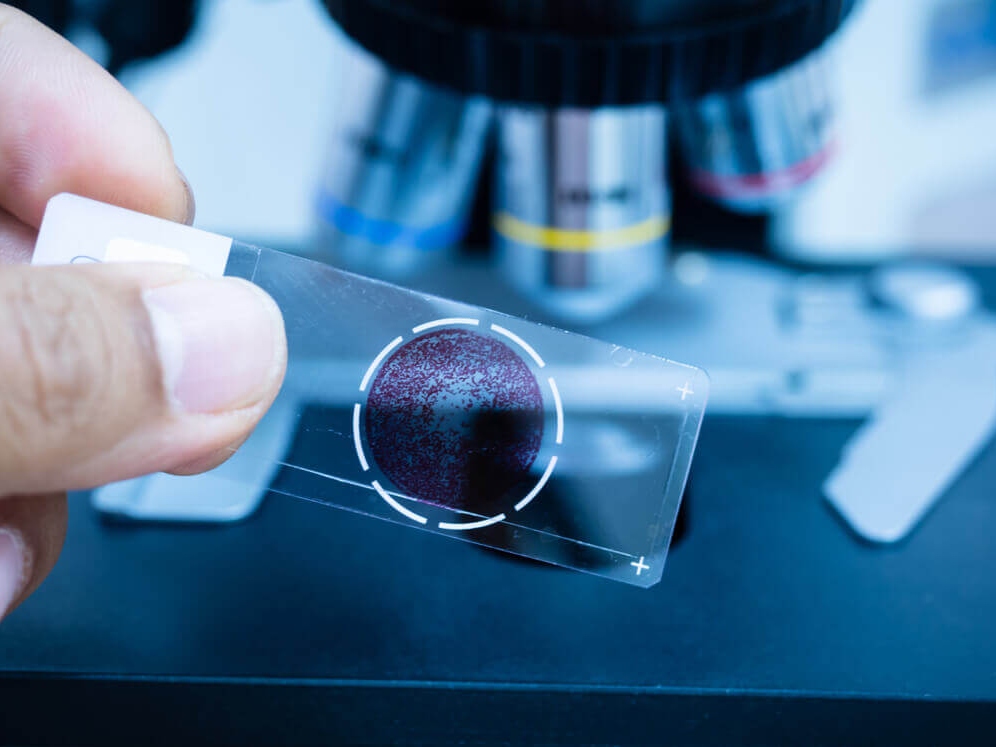
Strategic Capital Budgeting for Advanced Microscopy Acquisition
Procurement decisions related to optical instrumentation are quite complicated nowadays and require a proper strategy based on finance. The harmonization of start-up costs and operating costs guarantees efficient laboratory work and successful performance in science. Laboratory microscope budgeting needs consideration of such factors as price, updates, maintenance, and total cost of ownership of a microscope.
Addressing Capital Expenditure Challenges in Advanced Microscopy
The acquisition of state-of-the-art optical instrumentation constitutes a considerable economic burden for research organizations, forensic labs, and quality control sectors of industry. The budgetary situation of such establishments may be constrained, along with the necessity of sub-nanometer accuracy, automation of 3D image rendering, and fast scanning of samples.
- Cost Pressure: The purchase of precision microscopes may constitute a considerable burden to the annual budget of an organization in the case of unforeseen repairs or swift obsolescence of technology. Estimating the costs of a research microscope relative to actual requirements prevents unnecessary investments.
- Hidden Costs: Apart from the initial cost of acquisition, the cost of operation and supplementary sample preparation devices raise the overall cost of the microscope.
- Downtime Threats: Deterioration of the instrument without organized technical support leads to interruptions in the research process and negatively affects production efficiency.
Precision Engineering and Procurement Excellence with OPTOEDU
OPTOEDU is a worldwide optics company with more than 25 years of experience, providing top-notch optics products that offer utmost performance and value.
- Direct Supply: OPTOEDU has direct factory supply of over 1,500 optics models across different fields – science, medicine, and industry – to help procure research microscopes.
- Full Warranty: Each product comes with a 3-year microscope warranty as standard policy to help ensure the stability of operations in the long run.
- Customized Solutions: OPTOEDU also offers customized optical design to cater precisely to your research requirements without any vendor markups.
Capital Expenditure Planning and Total Cost of Ownership
Effective budgeting for precision optics includes going beyond acquisition cost estimates alone. This allows for a proper assessment of the full life-cycle costs in order to ensure that labs get good image quality within budget.
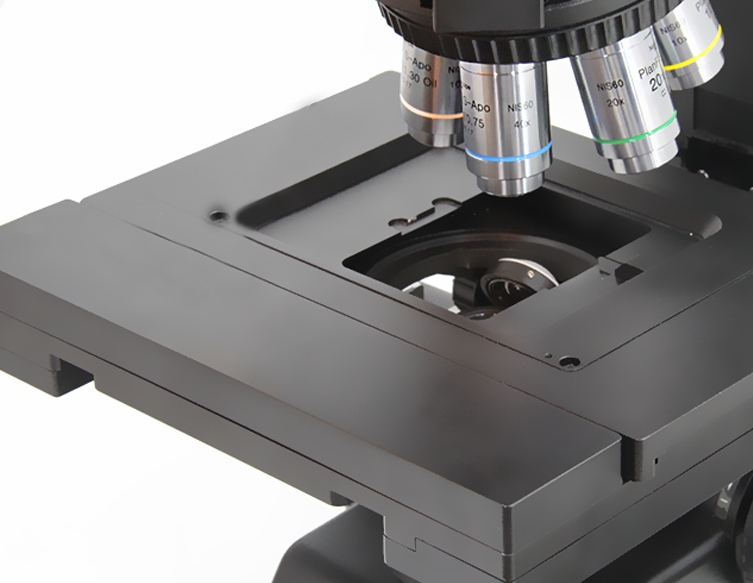
Evaluating Research Microscope Procurement and Upfront Costs
A well-conducted microscope benefit-cost analysis needs to harmonize technical performance considerations with short-term needs.
- Optimum Capital Budgeting: The process of optimizing strategic microscope capital budgeting avoids overly technical configurations that specialized microscope lab staff members hardly ever use.
- Procurement Simplification: The efficient management of research microscope procurement using full factory-direct cataloging lowers costs and helps conduct better microscope cost comparison studies.
- Fundamental Considerations: Making sure fundamental optical performance qualities like infinity-corrected Plan Semi-APO objectives get financed will give better microscope performance at all price levels.
Calculating Long-Term Microscope Lifecycle Cost and ROI
Knowing the total financial journey of scientific equipment safeguards organizations from any unanticipated budgetary shortfall during multiple years of project implementation.
- Lifecycle Costing: Calculating the full cost of the microscope’s lifecycle involves considerations like energy usage, bulb replacement, software license costs, and maintenance needs.
- Productivity Outputs: The best way to get maximum returns on investment from the microscope is by picking up devices that increase the speed of data collection.
- Residual Values: Durable mechanical structures and C-mount standard interfaces provide value retention of the device even after its long operational life.
Controlling Microscope Service, Maintenance, and Warranty Value
Proactive equipment management lowers the total cost of ownership by increasing the lifespan of sensitive optical and electrical parts. Effective microscope maintenance and servicing also reduce the financial burden of any unforeseen problems.
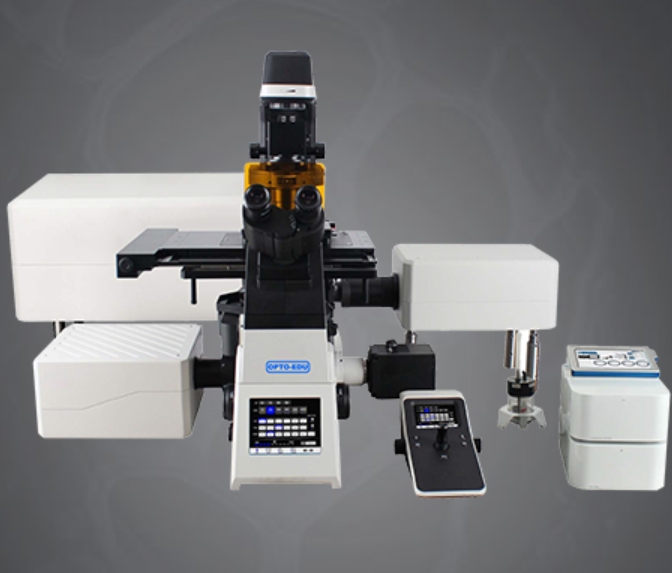
Managing Microscope Maintenance Cost and Service Protocol
Standardized maintenance ensures that precision goals, piezoelectric scanning stages, and digital sensors remain shielded from environmental damage.
- Preventive Maintenance: Proper microscope service and maintenance help avoid any optical misalignment, dust, and wear on the mechanical stages.
- Predictable Cost: Planning for the annual cost of microscope maintenance helps avoid unexpected repair costs that cause budget instability in research departments.
- Reproducibility: Industrial inspection devices such as the M20 3D Measuring Microscope will be able to maintain precision tilting angle measurements through routine calibration.
The Financial ROI of a 3 Year Microscope Warranty
Multi-year warranties make uncertain maintenance risks into known and controllable operational expenses.
- Risk Management: A long-term warranty will cover any unplanned replacement of the laser driver, automated stage motor, and power supply components free of charge.
- Budget Stability: With the inclusion of a 3-year microscope warranty in purchase agreements, it is easier to estimate a laboratory microscope budget.
- Manufacturer’s Assistance: On-site technical support from the manufacturer guarantees prompt replacement of the parts, thus minimizing project delays.
Modular Upgrade Strategies and Customized Optics
Lab equipment future-proofed by means of expansion modules avoids full-scale equipment replacement in case there is any change in research needs. Thoughtful design for modular upgrades for microscope equipment allows prolonging its lifetime without large investments.
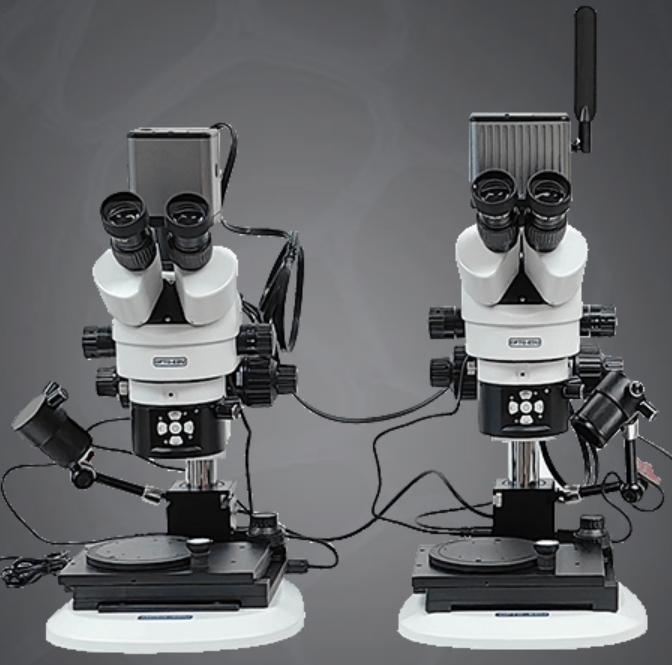
Modular Microscope Upgrade Capabilities Across Scientific Applications
Integrating expansion slots and standardized optical bridges allows facilities to add specialized imaging modes as operational demands grow.
- Cost-Effective Upgrades: Implementing a modular microscope upgrade enables laboratories to add fluorescent cubes, DIC contrast sliders, or digital slide scanners incrementally.
- Capital Efficiency: Phasing hardware expansion significantly lowers the initial microscope upgrade cost compared to buying entirely new imaging units.
- Forensic Precision: The A18 Forensic Comparison Microscopeallows crime labs to expand light sources—from halogen to UV—for bullet striation and banknote verification.
- Nanoscale Adaptability: The A62 Atomic Force Microscope (AFM)supports optional tapping and contact mode cantilevers to analyze semiconductor surface roughness and graphene layers.
- Optical Sectioning: The A64 Laser Scanning Confocal Microscope (LSCM)supports multi-channel NIR lasers for deep-tissue organoid imaging without replacing the core frame.
- Customized Integration: Facilities can incorporate customized stage holders, specialized camera adapters, and optical filters tailored to unique research protocols.
Strategic Advisory and Flexible Procurement Guidance
Choosing an optical setup entails matching needs based on the applications to be done with financial plans in the long run.
- Consultant Services: Specialists will provide laboratory assistance in identifying the proper setup to achieve performance and eliminate wasteful expenditure on hardware costs.
- Proposals: Technical proposals that fit with the financial plan of institutions will be made, taking into account institutional deadlines in terms of grants, capital plans, and microscope return on investment.
FAQ
Q: What is the way that laboratories can reliably calculate the total cost of ownership of an advanced microscope?
A: In order to estimate the total cost of ownership of the microscope, it is necessary to consider not only the acquisition cost but also the annual preventive maintenance, optical consumables, software upgrades, and possible downtime risk for 5-10 years ahead. It is also necessary to include the estimated microscope maintenance and upgrades cost.
Q: What are the main financial benefits of the microscope upgrade with a modular concept?
A: Modular microscope upgrade allows adding new features such as fluorescence or 3D surface mapping onto an existing frame which significantly saves budget (up to 60% as compared to a purchase of a brand new system). It will also allow controlling the microscope upgrade costs in the future.
Q: How does a 3-year warranty affect laboratory budget planning?
A: A three-year warranty transforms unplanned repair expenses on components into a planned expense and ensures continuity of laboratory work.
Q: What are the benefits of factory-direct purchasing of specialized optical instruments?
A: Direct purchasing of optical products from manufacturers reduces the cost of distribution channels and offers immediate engineering customization and dedicated technical support services. Factory-direct purchasing of research microscopes can hence increase the efficiency of research microscope acquisition and provide a better microscope cost-benefit ratio.